THE PROBLEM
The gap between learning to fly and learning to control the wing
THE COMMON PATH
Beginner training
Learn to launch, land and make basic decisions. You build up some air time, and before you know it you….
Start venturing into thermic air
The wing starts moving before you properly understands how to cancel, use or regulate those movements.
Traditional SIV
You go to SIV having built up fear of thermic air. You learn about safety in dynamic situations, but not efficiency or prevention. The Pure path is more holistic.
The problem starts after people finish their initial paragliding course.
They can take off and land, and they understand a little about the weather, however, a beginner course cannot realistically be long enough to teach them every movement of the wing properly.
Then, after numerous hours, they start flying in thermic air.
The wing starts moving, but they do not really understand how it moves, or how their actions can aggravate those movements or cancel them, because they have never been taught these skills properly.
Newly qualified pilots will often have barely explored their brake range and they don't use their body effectively in the harness.
They may become timid on the brakes, hold constant pressure or react instinctively because they do not understand what the wing is doing. They can become frightened or have collapses because there is a gap between being able to fly and genuinely understanding wing control.
That does not mean pilots are being signed off too early. The beginner syllabus would simply have to be far too long to teach all of the skills required.
That is why the Pure Method course needs to exist; it had to evolve. This holistic approach creates the stepping stones between beginner training and getting you to the point where you can safely and confidently carry out advanced manoeuvres, like the stall.
THE PURE PATH
Beginner training
Learn to launch, land and make basic decisions. Once you are confident with your take offs and landings, you will go on a wing control course before progressing into thermic air.
Modern SIV and wing control
You progressively explore the wings movement and energy, brake range, body movement, different timings, and situational awareness. Then you….
Start venturing into thermic air
The wing starts to move, you understand what’s happening, and have the brake range and body position to effectively cancel the movements.
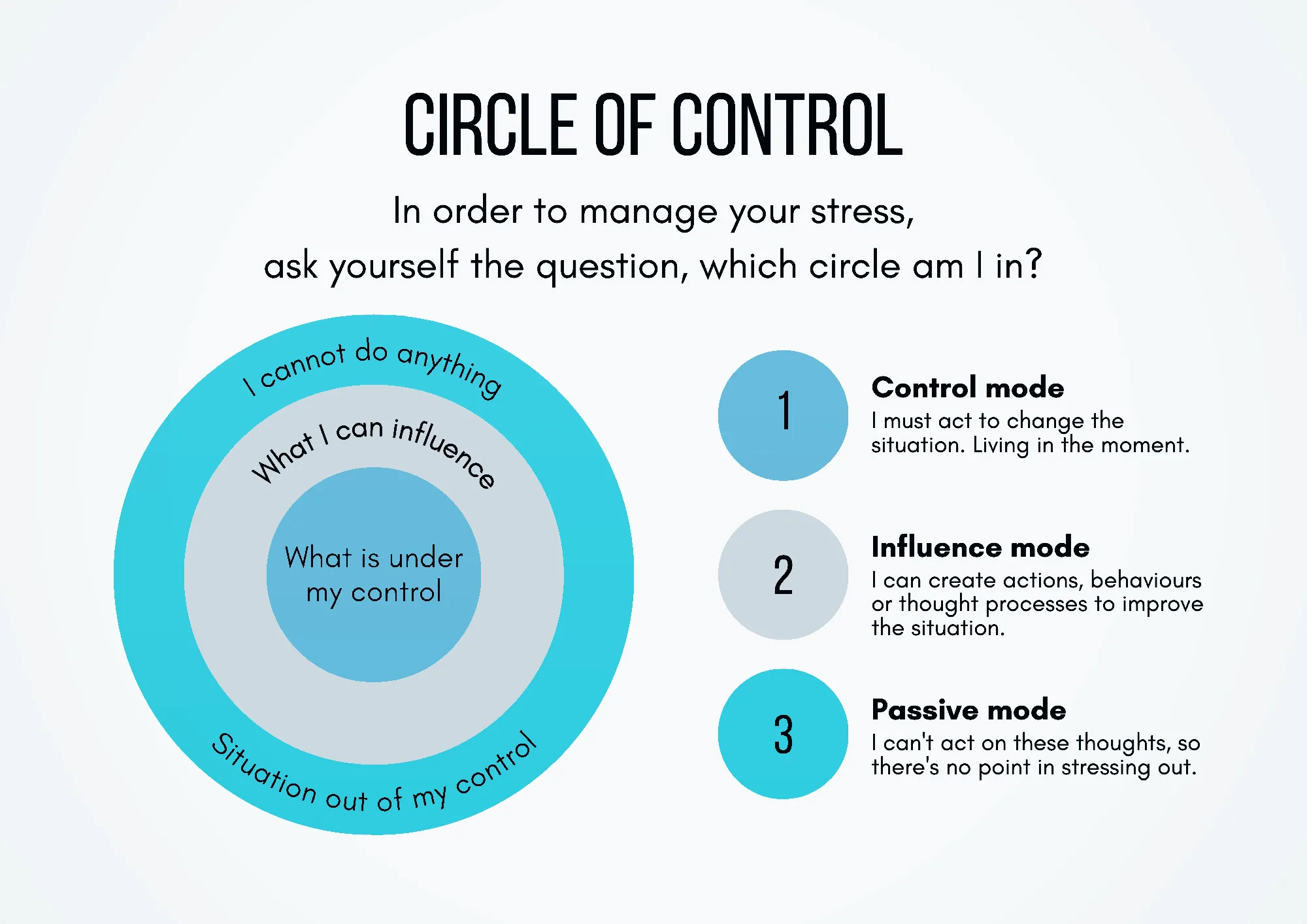
THE PILOT COMES FIRST
Every pilot follows an individual course
Before the first flight, Malin finds out how many hours and years the pilot has been flying, whether they have done SIV before, what type of wing they fly, what experience they already have and what they want to work on. He also finds out if they have any previous trauma that needs to be worked through.
The first flight is designed around that information. There is no single fixed assessment flight. The assessment continues through every movement and every flight. Malin even looks at how you turn when getting a new heading or coming in to land.
Malin looks at what the pilot shows him. If their timing is off, it means their situational awareness is not complete for some reason. That might be stress, focus or where they are looking.
If they are timid on the brakes, Malin tries to get them to use more brake range and become more authoritative. If they are too aggressive, he tones the movement back until they develop more feeling and finesse.
Two pilots on the same course may be doing completely different exercises. They are sharing the same course dates, but each person is on an individual course.
Newly qualified pilot
Approximately five hours
Timid on the brakes, unfamiliar with roll and unsure how much brake range is available. The course may focus on basic movement, timing, harness trust and discovering energy progressively.
Experienced XC pilot
Experience built on instinct means you have been perfecting bad habits. Holding constant brake pressure, leaning forward, keeping your legs out. The course identifies habits that lead to inefficiency.
Two-liner pilot
Wing-specific progression
May work on B-control, rapid-exit catches on the Bs, span management in stalls on higher-aspect-ratio wings.
Book Now
THE MANOEUVRE IS NOT THE GOAL
Manoeuvres are tools
A manoeuvre is just a tool for Malin to use; the goal for the pilot is to demonstrate the fundamentals throughout.
It is a diagnostic tool that shows what the pilot understands, what they can currently do and what is still missing.
If the pilot has previous trauma, or a certain fear or apprehension, we will try to identify the trigger. Malin will use different manoeuvres and progressive exposure therapy so we can work through the trauma, understand what happened and flatten the fear curve. Once you understand that you have control in that situation, it no longer blocks you.
It is also a training environment for developing the skills required for the next movement. There is a logical flow through the course. One manoeuvre prepares the pilot for the next one, but it also diagnoses whether they have the skills needed to move forward.
One manoeuvre can expose several different problems at once. A rapid exit may train all of the fundamentals, and a pilot might perform ten things badly during one attempt. Malin does not try to correct all ten at once.
Malin chooses the most important issue, works on that, and then moves to the next one. The manoeuvre is not the goal. The manoeuvre is used to tease out the fundamentals.
Observe the problem
Look at timing, awareness, brake use, body position and the pilot’s responses change under pressure.
Select the manoeuvre
Choose an exercise that exposes the missing action clearly enough to work on it.
Develop the fundamental
Repeat with one clear focus rather than trying to correct everything at once.
Assess readiness
Decide whether the skill is available and reliable enough to progress and apply that new skill in a different situation.
Several manoeuvres. One fundamental.
Natural exits
Introduces the catch and release with low energy. Builds situational awareness of when to release.
Rapid exits
Increase the energy of the dive so more brake range can be safely used. We can play with an early and late input to see how your action needs to change.
Cravat-clearing spins
Introduces a different sensation in the dive and the importance of the release timing.
Collision avoidance
Quickens your reaction timing. Learn to dissociate your arms in the dive.
Stall exercises
Introduces a stronger dive where you will put your full brake range to the test. Lingering on the brakes will cause a re-stall.
Full use of the brake range
The full brake range is not only the deepest part. The final 10% matters, but the top 10% is just as important. The pilot needs to release pressure as clearly as they apply it.
The examples above show how you can progressively learn the fundamental of the brake range, The manoeuvre is a tool to give you different opportunities to prove you can do a certain action in a variety of situations.
THE FUNDAMENTALS
The skills underneath every manoeuvre
The three fundamentals are:
Trust the harness. Situational awareness. Full use of the brake range.
Trusting the harness and situational awareness are parallel foundations. Together, they unlock the full use of the brake range.
Once you possess the fundamentals, if something happens to you in the wild you will not aggravate the situation, but will have the awareness and pilot actions to resolve the situation straight away.
All three are linked. They cannot be trained as isolated skills. There are a lot of things blocking us from gaining the fundamentals.

Trust the harness
This wording is deliberate. The issue is not simply whether the pilot can use the harness. It is whether they trust it enough to relax into it when the wing moves. When pilots become frightened, their natural response is often to sit upright and try to right themselves. This changes the tipping point on the harness, making more unstable. It reduces our base of support making it harder to dissociate our arms.
Situational awareness
The pilot needs to understand what is happening, why it is happening, what their action is doing, how the movement is developing and what is likely to happen next. If they are lost then it is not safe to use the brake range so most pilots become passive or revert to natural instincts of grabbing the risers or finding pressure in the brakes.
Full use of the brake range
The aim is not simply to pull deeper. It is to have access to the whole brake range and use the right amount at the right moment. The top of the range matters as much as the bottom. Releasing pressure clearly is part of using the full range but can be blocked by fear. If we don't trust our harness we are less likely to dissociate our arms and we engage our gross motor muscles, reducing feeling and finesse and blocking the proper use of the brakes.
Book Now
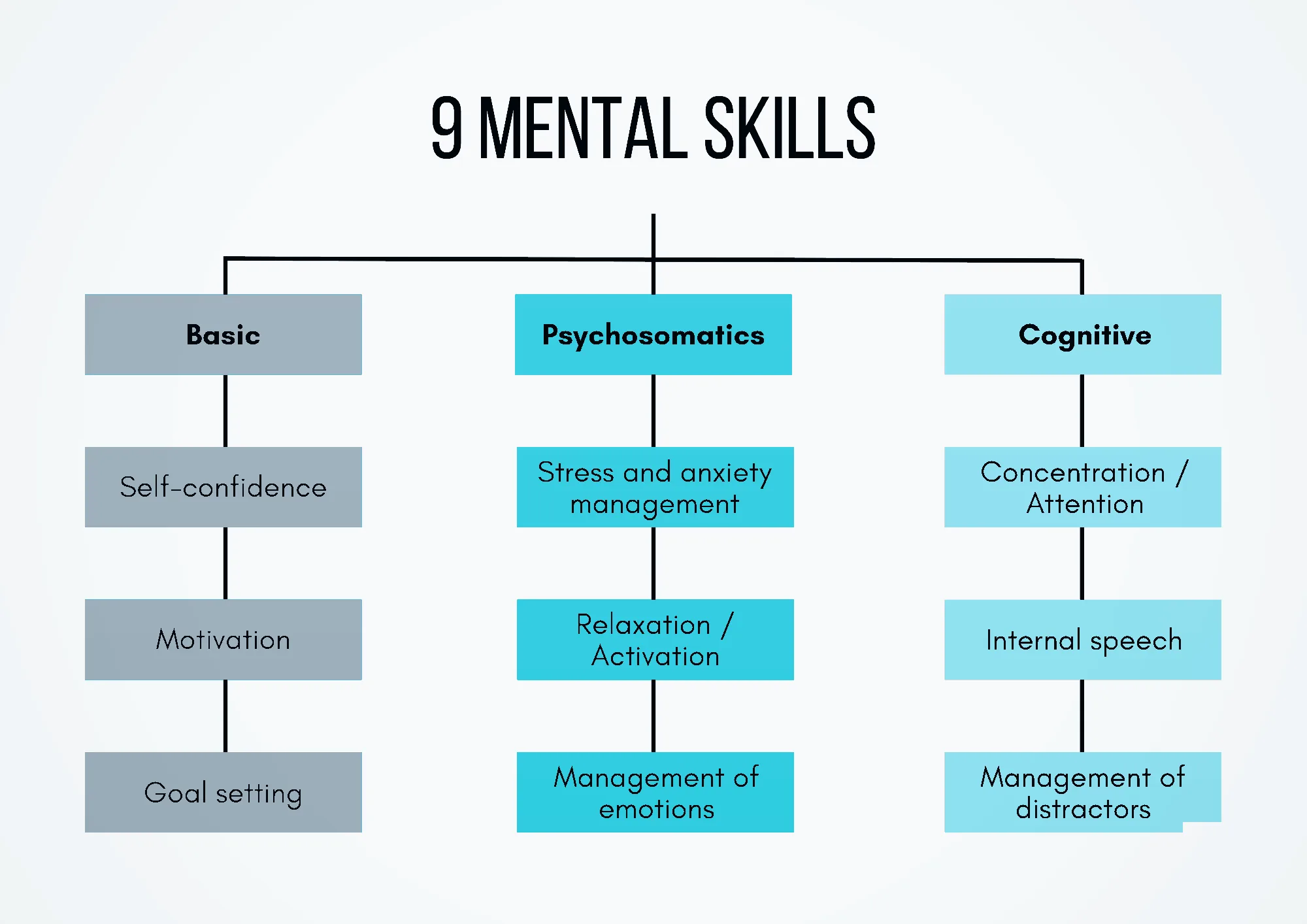
SEEING THE WHOLE SITUATION
Perception, comprehension and projection
Situational awareness is not simply looking at the wing.
It is the perception, comprehension and projection of the whole situation.
Perception
What is happening now?
What can the pilot see, feel and hear?
Where is the wing?
What is the wing's bank angle? What is the brake pressure?
You can only perceive what you focus on, stress causes tunnel vision and cognitive overload. The less detail that goes in, the less information you will have to understand….
Comprehension
Why is it happening?
How did the movement develop?
What information matters and what can be ignored?
You can only comprehend what you have perceived.
Projection
What is likely to happen next?
How will the wing continue moving?
If I do nothing will anything change?
What will the current input create?
What timing and action will be needed next?
If you understand what is happening you will be able to predict what will happen next and what your actions will do.
Without situational awareness, the pilot cannot use the full brake range accurately. Using the full brake range without situational awareness can get the pilot into trouble.
THE HUMAN FILTER
Knowing something is not the same as being able to do it
Technical skill has to pass through the human filter.
A pilot may understand something perfectly in theory but lose access to it when the situation becomes stressful.
Fear changes the way we move. It changes body tension, brake pressure, attention and decision-making.
The filters are not unusual weaknesses. They are the normal consequences of being human.
Fear response
Fear can narrow attention, increase muscle tension and make the pilot react before they have understood the situation.
Righting reflex
When the body moves away from upright, the natural response is to sit up and resist the movement rather than relax into the harness.
Arm dissociation
If the pilot looses their balance they will have an automatic postural response. This reduces independent and accurate brake movement.
Muscle tension
Tension changes what the pilot feels through the brakes and reduces the finesse of the input.
Attention and focus
The pilot may look at one detail so intensely that they lose awareness of the wider situation.
Available bandwidth
As workload increases, less attention remains for timing, planning and understanding what will happen next. Your bubble shrinks and it is common to loose hight loss awareness.
Cognitive overload
Too much information when their bandwidth has already been reduced can cause difficulty in information recall or understanding that would be otherwise easier to comprehend.
Stress
Stress can change perception, timing, movement and the pilot’s confidence in actions they already understand.
“Courage is not the absence of fear. It is feeling afraid and doing it anyway.”
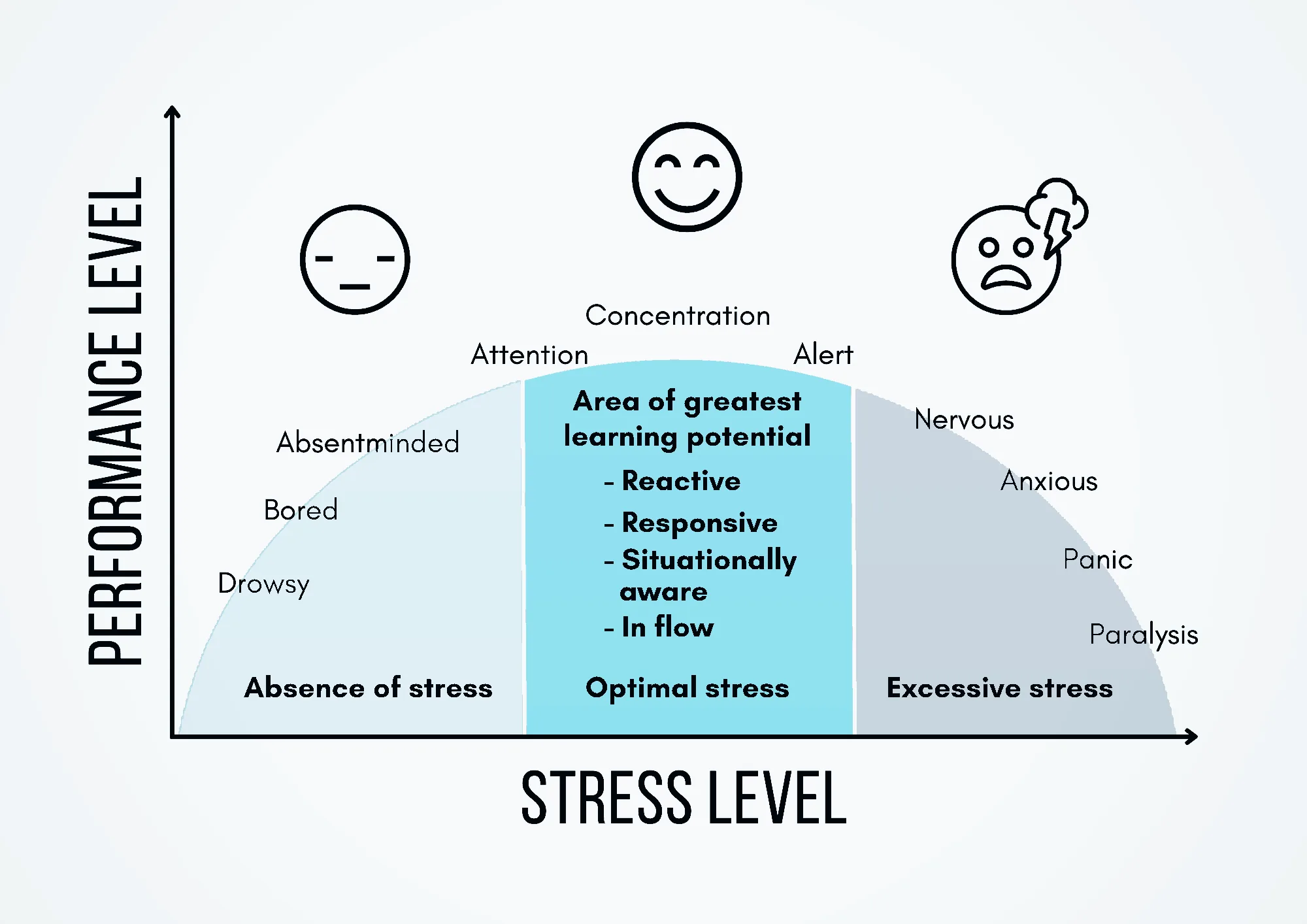
Fear is useful in paragliding. The aim is not to remove it, but to observe it and be analytical about its effects on cognition.
Book Now
PROGRESSION MUST BE EARNED
Build the skill before increasing the stakes
Malin will not move a pilot into a more demanding manoeuvre if they have not shown the situational awareness or pilot action required for it.
Malin teaches Competency Based Training (CBT), so he will never hold a student back. If he gives a pilot a task or action and they demonstrate it, then they have shown that they have that skill. If they cannot, then there is a reason why, so we work on uncovering what is missing for them to complete the task.
On your first SIV you might get to stalls, spin to stall and the other advanced manoeuvres, but if you haven’t it is because there was something more important that we were working through.
So Malin then uses other manoeuvres to tease out the missing actions and awareness.
Then, when you reaches the more advanced manoeuvre, you already understand the skills underneath it. You are not simply following instructions while something happens to you.
You will understand the movement, recognise how it is developing and know why you are making each input.
The progressive structure creates an environment where you rarely lose control completely, because you are not moved into exercises before the required awareness and pilot actions are present.
Across approximately 3,500 supervised SIV flights during the last three years, there has been one reserve deployment.
Do
Perform the exercise with one clear purpose and enough attention left to observe what happens.
Review
Use the flight, video and feedback to identify the most important issue rather than correcting everything at once.
Repeat with focus
Repeat the movement with one specific change in timing, awareness, body position or brake use.
Integrate
Understand the movement well enough that the skill remains available beyond the coached exercise.
Controlled exposure
The pilot is exposed progressively to movement, energy and brake range. The objective is not to push them so far outside their comfort zone that they leave thinking, “I am never doing that again.” The objective is to create enough challenge for learning while keeping the pilot able to observe, understand and act.
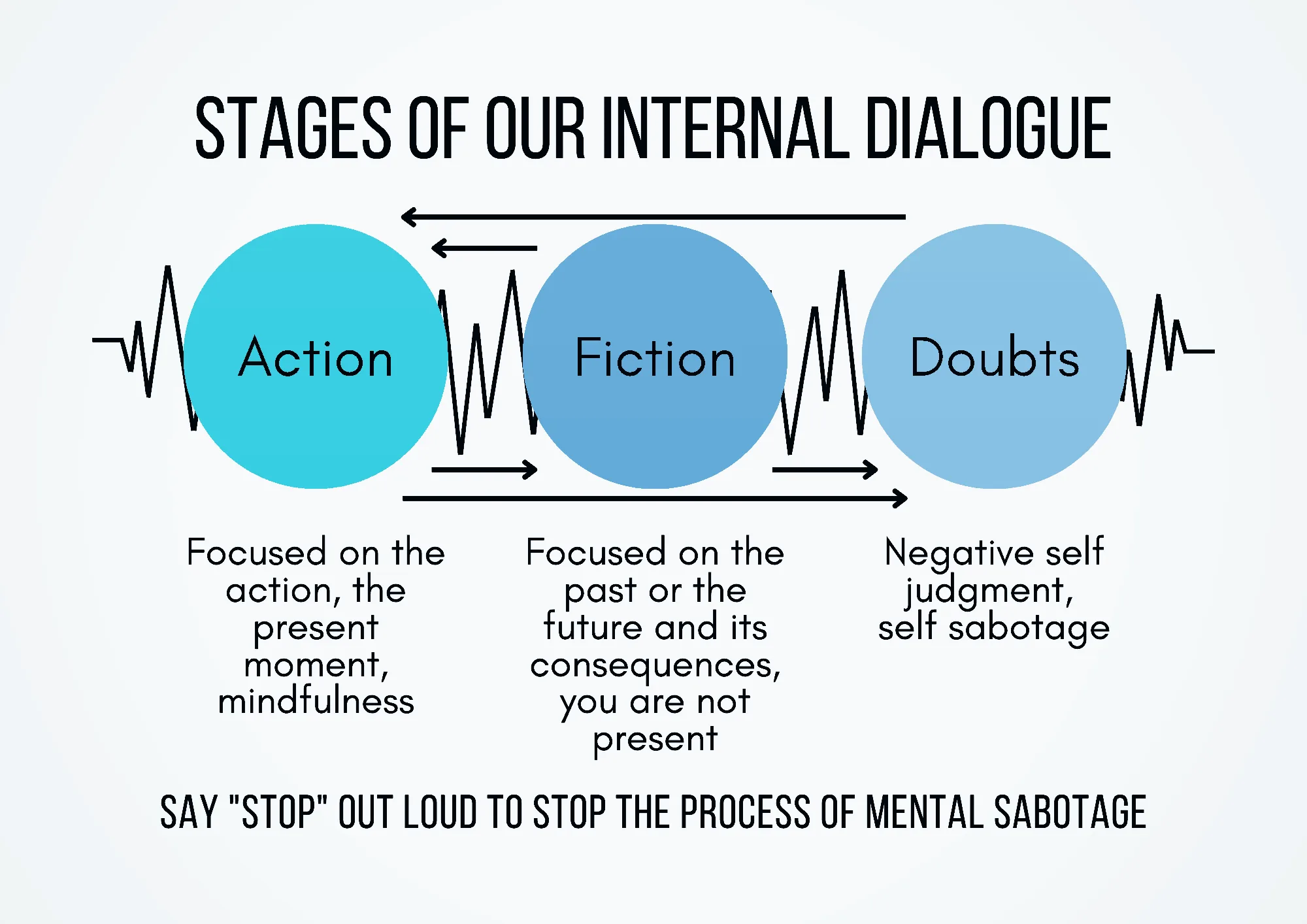
LEARNING STARTS BEFORE THE COURSE
Arrive already speaking the same language
The physical time spent together is only one part of the course.
Before arriving, pilots receive pre-course content through ActiveAir.
The pilot arrives already understanding the language Malin uses, the flow of the day and what is likely to happen.
They have already started thinking about the movements and have some simple tasks before arriving.
The aim is to optimise the time together. Instead of spending the first day explaining every basic concept, the pilot arrives prepared and ready to learn.
Knowledge and safety
The site briefing, safety briefing, mandatory knowledge, detailed manoeuvre explanations and automated tests give the pilot the context needed before the first flight.
Mental and practical preparation
Visualisation, mental preparation, goal setting and simple practical tasks help the pilot begin working with the ideas before arriving at the lake.
Continuing education
Podcasts and additional learning material allow the pilot to continue developing their knowledge between courses and prepare for the next stage.
Developed through experience and research
The preparation content also draws on work carried out with Dr Matt Wilkes, including scientific testing in paragliding. He has also put together a bespoke PDF on preparing for the SIV.

Book Now
BEYOND THE EXERCISE
The skill has to work in real flying
There is an important difference between being able to do something during an SIV course and being able to use it in normal flying.
Practice does not make perfect. Practice makes permanent.
If a pilot only learns a skill while wearing a life jacket, flying over water and listening to an instructor through an earpiece, that is the context in which they have learned it.
The skill needs to be understood deeply enough that it can move beyond that environment.
The lower-energy movements are often the most relevant to normal thermic flying. Pilots need to maintain their tolerance for movement, keep their timing accurate and practise both creating and cancelling roll.
Understanding roll helps a pilot thermal better. A paraglider in a thermal is flying at a roll angle. Understanding that movement helps the pilot create a better carve and manage the wing more accurately.
Simulation
Use a controlled environment to make movements clear, repeatable and observable.
Practice with intention
Practise at your local site with a specific purpose, paying attention to timing, brake pressure, weight shift, sensations and visual clues. Flying with intention creates change.
Real-life flying
Apply the understanding to thermalling, cross-country flying and see your efficiency and defensive flying increase.
THE COURSE IS A STEPPING STONE
The learning has to continue afterward
The course does not finish when the pilot leaves the lake. Afterward, there needs to be integration.
Pilots need homework, goal-setting and a clear path forward.
The pilots who go away and practise come back changed. The learning has clicked. It has become embedded.
Pilots who go away for a year and do nothing often return close to where they started.
They normally progress faster than someone who has never attended an SIV course, but the fear has crept back in, their currency has gone and they have lost some of the sensations, timing and visual clues.
Integration is crucial. The SIV course is not the destination. It is a stepping stone in the process of becoming a better pilot.
Outcome goal
The longer-term result the pilot wants to achieve.
Example:
Flying 100k
Performance goal
The measurable improvement that would show progress toward the outcome.
Example:
Average speed
Climb rate
Logged hours
Process goal
The repeatable action the pilot will use to develop the performance.
Example:
When I get 200m to cloud base, I focus on my exit direction and the best part of the cloud to fly under to leave the thermal.
Training independently
Internal check
Am I tired?
Preoccupied with work or home life?
Dehydrated?
Hungry?
Focused on what I’m trying to achieve?
External check
Do I have a good box placement?
Am I high enough?
Reserve handle check?
Is my airspace clear?
Are the conditions suitable?
What am I doing?
Why am I doing it?
How am I going to do it?
The pilot leaves with a plan for continuing their development. That includes checking how they feel, assessing the environment, understanding the purpose of the exercise and making sure they have the height, box placement and free airspace needed to practise properly.
Book Now
THE PURE METHOD
A reason behind every exercise
The PURE Method is not a list of manoeuvres.
It is a way of understanding what each pilot needs, identifying the fundamentals underneath the movement and building those skills progressively.
Technical ability, fear, attention, situational awareness and integration are treated as connected parts of the same process.
The result is a modern SIV and wing-control course built around the pilot rather than the tick box.