XC Paragliding

XC Paragliding

XC Paragliding

Advanced paragliding for pilots ready to take their skills into real mountain flying.

This bespoke cross-country paragliding course combines in-air coaching with structured tracklog analysis and detailed debriefs.

This bespoke cross-country paragliding course combines in-air coaching with structured tracklog analysis and detailed debriefs.

This bespoke cross-country paragliding course combines in-air coaching with structured tracklog analysis and detailed debriefs.

Enquire About XC Coaching

ADVANCED XC COACHING

Efficiency creates distance.

Efficiency creates distance.

Efficiency creates distance.

Distance is rarely created by one heroic decision. It is the accumulation of fewer turns, earlier decisions and enough mental bandwidth to keep making good choices throughout the flight. This course is not to guide you around the Annecy area. The aim is to change your repeatable actions that increase average XC speed, which will change the trajectory of your flying after the course.


You will get a 52-page XC workbook with the course, laying out a blueprint for your progression.

Distance is rarely created by one heroic decision. It is the accumulation of fewer turns, earlier decisions and enough mental bandwidth to keep making good choices throughout the flight. This course is not to guide you around the Annecy area. The aim is to change your repeatable actions that increase average XC speed, which will change the trajectory of your flying after the course.


You will get a 52-page XC workbook with the course, laying out a blueprint for your progression.

Enquire About XC Coaching

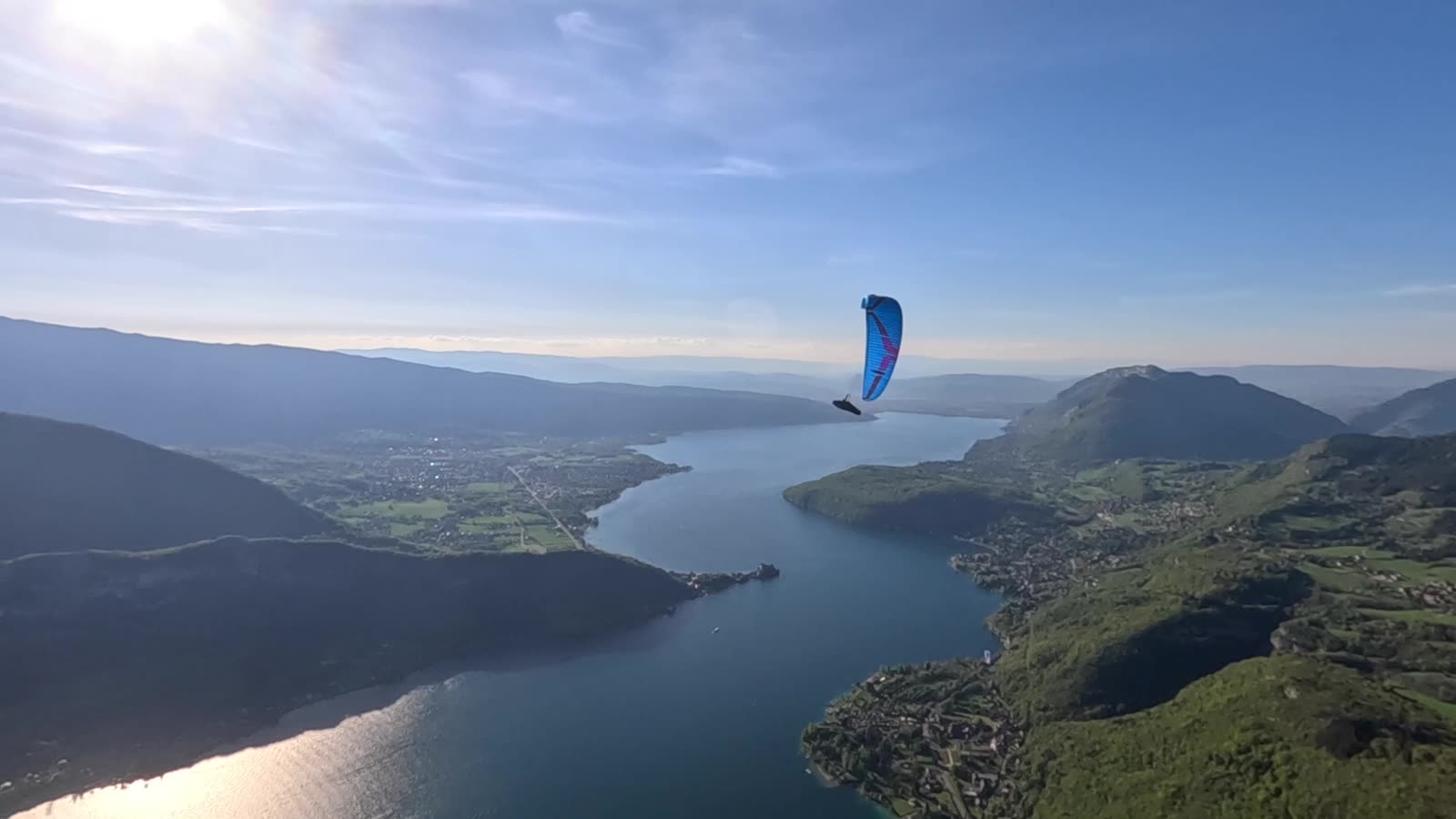
XC paraglider flying over Lake Annecy

Bespoke coaching by enquiry only.

Bespoke coaching by enquiry only.

Course format

Bespoke XC coaching in Annecy. There is no fixed course length or public calendar. Coaching is priced per day and arranged privately after enquiry. Availability is seasonal: the earliest possible start is May, with the main coaching season in June, July and August. Instruction is in English. Standard groups are limited to four pilots, with Malin normally coaching as the sole instructor. Larger groups may enquire, but require an additional instructor and are limited to six pilots. Transport to launch and XC retrieval are included. As this is a bespoke course, if you and your friends don't think you fit the description, but you still want some training, please feel free to enquire, and we can discuss what is appropriate for you.

Who this is for

Applicants must have previously completed SIV training with Malin, either through Pure or earlier Flyeo courses, and be known to him as having competent wing-control skills. You should be comfortable operating independently in thermic mountain conditions and already know how to use your GPS, radio, flight instruments and tracking system. This is not a beginner XC course; you need to be able to fly at least 50km and be happy spending 3 hours or more in the air. You do not need a two-liner, competition experience or a specific XC distance. You do need the mental bandwidth to work on efficiency, decisions and strategy rather than spending all your attention on basic wing control.

There are stages to progression.

You can’t teach a drowning man to swim, and you can’t study the fine detail of XC efficiency while all your attention is still being consumed by the wing’s movements. Before we work on speed, decisions and strategy, Malin needs to know that controlling your wing has started to become automated. If you are landing after an hour in thermic air, tired and wide-eyed, you are not quite ready.

Red paraglider flying above Alpine mountains

The learning architecture.

The learning architecture.

On the Ground, In the Air, then Do and Review. The structure keeps learning deliberate rather than leaving improvement to chance. These are just some of the aspects we cover.

01. On the Ground

• Flight starts days before launch
• Cross-check models, not apps
• Pilot energy = decision accuracy
• Build a laminated cockpit checklist
• Practise instruments before you need them
• Visualise rough thermals and low saves
• Prepare Plan B before Plan A fails
• Spot self-sabotage early
• Separate discomfort from danger
• Label fear-based thoughts
• Use breath to reset attention
• Create a flight motto
• Remove avoidable early-landing excuses
• Arrive with bandwidth available

• Flight starts days before launch
• Cross-check models, not apps
• Pilot energy = decision accuracy
• Build a laminated cockpit checklist
• Practise instruments before you need them
• Visualise rough thermals and low saves
• Prepare Plan B before Plan A fails
• Spot self-sabotage early
• Separate discomfort from danger
• Label fear-based thoughts
• Use breath to reset attention
• Create a flight motto
• Remove avoidable early-landing excuses
• Arrive with bandwidth available

02. In the Air

• Find, enter and centre thermals
• Centre the core within two turns
• Use outside brake to manage diving roll
• Search upwind when the core disappears
• Use other pilots to map the lift
• Stay on bar until you reach lift
• Minimise sink, maximise lift
• Fly with intent on every transition
• Choose stop points and push points
• Use speed-to-fly.
• Change line immediately in sink
• Keep a live mental map of the sky
• Think tactically, strategically and metacognitively
• Use green, amber and red decisions
• Reset cognitive traps before they affect your decisions

• Find, enter and centre thermals
• Centre the core within two turns
• Use outside brake to manage diving roll
• Search upwind when the core disappears
• Use other pilots to map the lift
• Stay on bar until you reach lift
• Minimise sink, maximise lift
• Fly with intent on every transition
• Choose stop points and push points
• Use speed-to-fly.
• Change line immediately in sink
• Keep a live mental map of the sky
• Think tactically, strategically and metacognitively
• Use green, amber and red decisions
• Reset cognitive traps before they affect your decisions

03. Do and Review

• Treat every flight as data
• Log emotions before memory edits them
• Compare forecast with reality
• Review key decisions, not just distance
• Separate good decisions from lucky outcomes
• Separate poor decisions from bad luck
• Check climb quality and circle consistency
• Analyse transitions and glide choices
• Ask what fear changed in flight
• Start with the three Ws: What Went Well
• Turn strengths into repeatable cues
• Track small progress metrics
• Use voice notes before hindsight rewrites it
• Seek feedback from the right people
• Build confidence without ego

• Treat every flight as data
• Log emotions before memory edits them
• Compare forecast with reality
• Review key decisions, not just distance
• Separate good decisions from lucky outcomes
• Separate poor decisions from bad luck
• Check climb quality and circle consistency
• Analyse transitions and glide choices
• Ask what fear changed in flight
• Start with the three Ws: What Went Well
• Turn strengths into repeatable cues
• Track small progress metrics
• Use voice notes before hindsight rewrites it
• Seek feedback from the right people
• Build confidence without ego

Enquire About XC Coaching

Red paraglider flying cross-country above alpine terrain

Small decisions, repeated well.

Small decisions, repeated well.

Three questions before a transition

1. Where is the next likely climb?

2. Which line gives me the best air, i.e., what am I flying over?

3. Do I have enough height to reach it with a sensible margin?

Sunken-cost bias

Continuing with a poor decision because you have already spent height or time on it.


Reset: judge the next move from the situation now.

Tunnel vision

Fixating on one detail or goal while better information appears nearby.


Reset: widen your scan and name three useful clues.

Overconfidence

Repeating yesterday’s success without accounting for today’s conditions.


Reset: ask what has actually changed since your last flight.

Anchoring

Remaining attached to the original plan after the sky has changed.


Reset: update the plan from the newest evidence.

Thermal challenge

How quickly can you identify and centre the strongest part of a thermal? Efficient pilots reduce exploratory turns and spend more of the flight climbing in the strongest part of the lift.

Blue and yellow paraglider flying above Annecy

The five-stage flight debrief.

The five-stage flight debrief.

01 Emotional state

How did I feel on launch, in flight and after landing?

02 Tactical decisions

Which choices shaped the flight?

Which were the right ones?

03 Technical execution

How efficient were my climbs and transitions? What does the data say?

04 Weather interpretation

What did the day actually do compared with the forecast?

05 Preparation

Did equipment, hydration, clothing, fatigue or organisation affect the result?

What three things went well, and which one should I deliberately repeat next time?
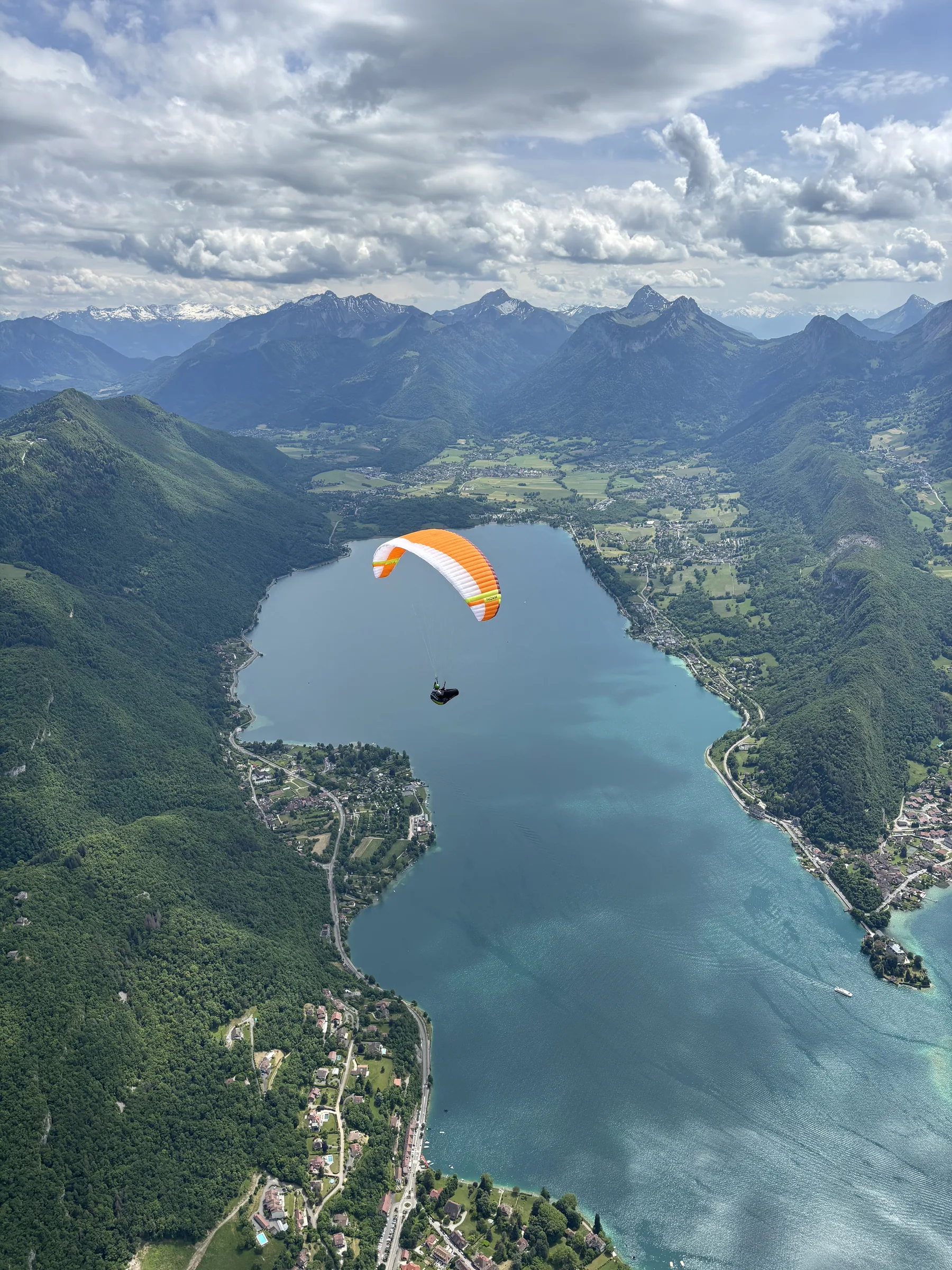
Orange paraglider flying above Lake Annecy

Competition knowledge, translated for XC pilots.

Competition knowledge, translated for XC pilots.

Malin co-founded the British Paragliding Racing Academy in 2016 with Russ Ogden, Barney Woodhead and Guy Anderson. The Academy has seen a World Champion and a European Champion, with British team gold and silver medals among its results. Malin is a PWC pilot, has represented the British team, has more than 1,700 hours flying competition wings and approximately ten years of experience flying two-liners. The purpose is not to turn every pilot into a competition pilot. It is to make advanced competition knowledge useful to pilots who want to fly cross-country with greater clarity, speed and efficiency.

2016

British Paragliding Racing Academy co-founded.

World + European

Champions since the Race Academy was founded.

1,700+ hours

Flying competition wings.

10 years

Two-liner experience.
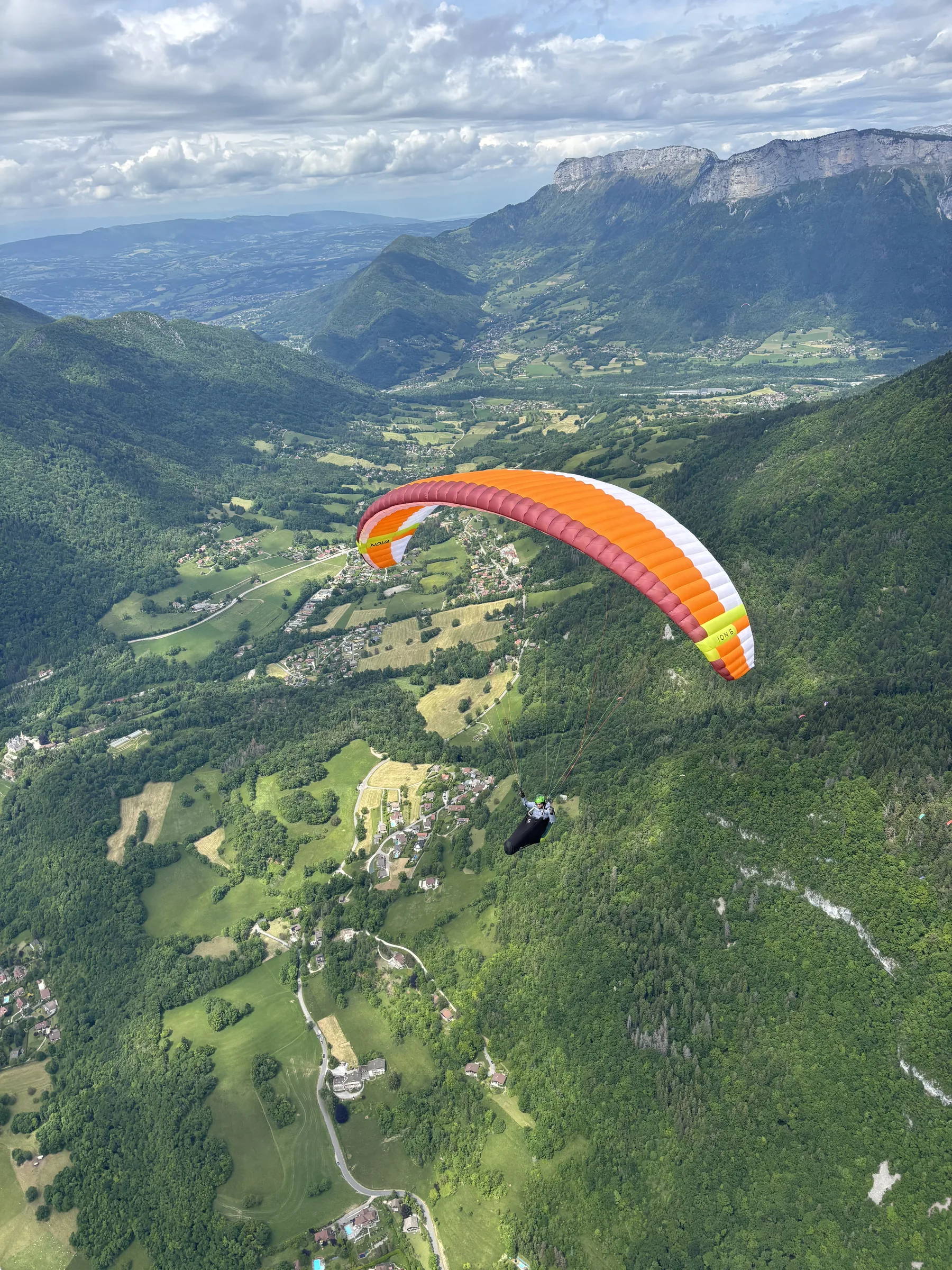
Orange paraglider flying close above a green Alpine valley

What accepted pilots receive.

What accepted pilots receive.

Included in the coaching

Bespoke coaching shaped around the group, maximum four pilots in the standard format, live individual radio coaching while Malin flies with the group, detailed GPS tracklog analysis, structured daily debriefing, Pure’s comprehensive XC Student Workbook, mandatory pre-course content through ActiveAir, transport to launch, XC retrieval, accommodation options supplied privately after acceptance and booking, and honest feedback on strengths, weaknesses and priorities.

Mandatory equipment

Bring your wing, harness with certified back protection, reserve repacked within the previous 12 months, EN 966 or EN 1077 helmet, GPS flight instrument, radio, suitable tracker, speed bar, mountain XC clothing, gloves, food, hydration system and an in-flight pee system. You must already know how to operate your GPS, radio and tracker before attending.

Enquire About XC Coaching
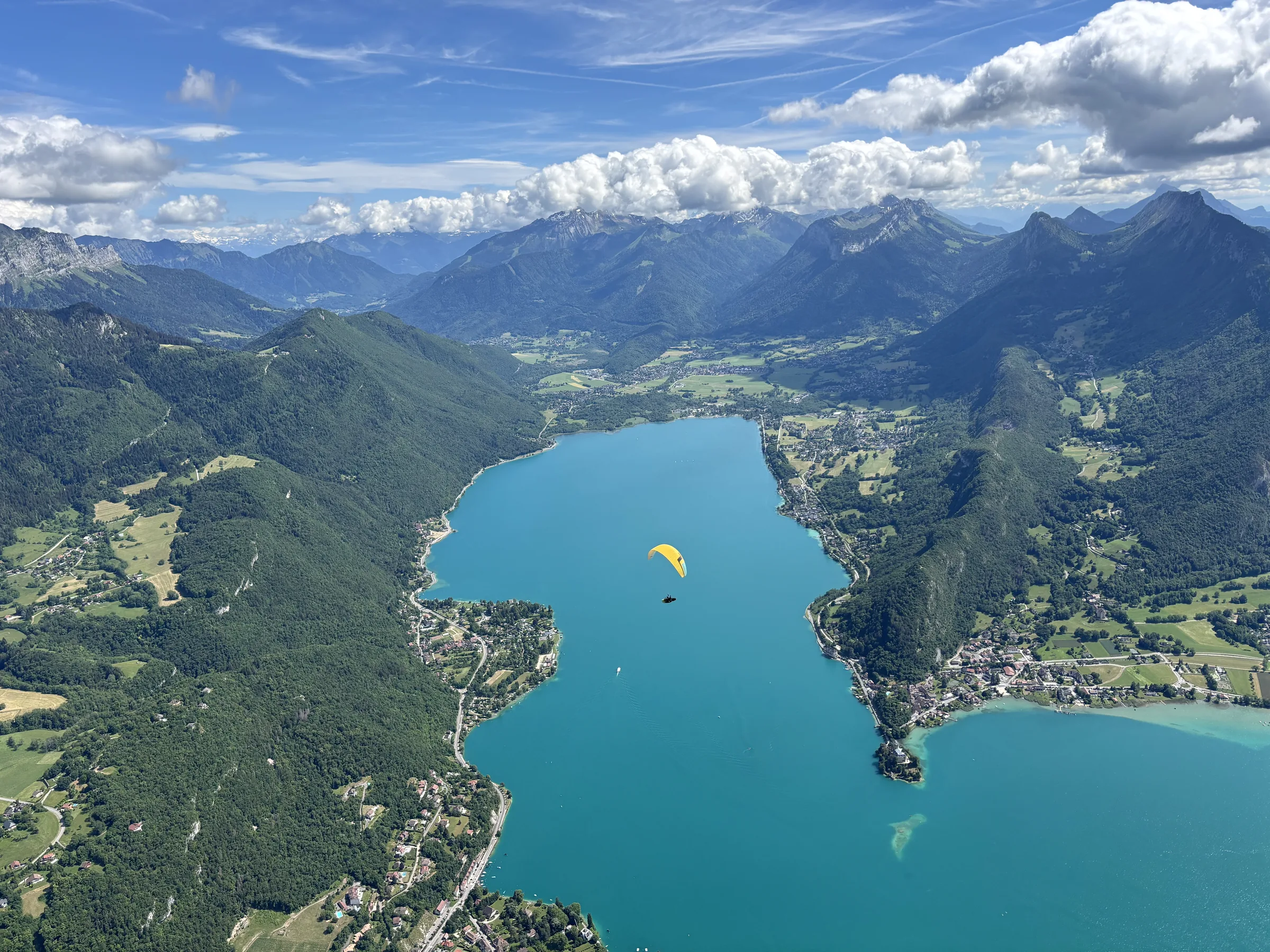
Yellow paraglider flying above Lake Annecy and mountain ridges

Practical essentials.

Practical essentials.

FFVL insurance

FFVL insurance is mandatory for XC Coaching. Follow Pure’s step-by-step guide to arrange the correct cover before attending.

Meetch Cancellation Protection

Meetch Cancellation Protection is available and strongly recommended. It can be purchased at checkout or within 72 hours of booking and provides 100% reimbursement for accepted claims, with no excess.

Green paraglider flying above Lake Annecy

How the enquiry process works.

How the enquiry process works.

Enquire through the contact page. Malin reviews the message and contacts the pilot personally. Experience, previous SIV training, goals, availability and group requirements are discussed. A bespoke number of coaching days and private price are agreed. Accepted pilots then receive booking, preparation and accommodation information.

Enquire About XC Coaching

PURE logo